Compound Quality
Your Supplier's Certificate Was Probably Written By The Factory That Made The Vial. That Is Not Third-Party Testing.
Every certificate has a signature on it. Almost nobody checks whose. A manufacturer grading its own batch produces a document that looks identical to an independent one, costs a fraction as much, and proves nothing.
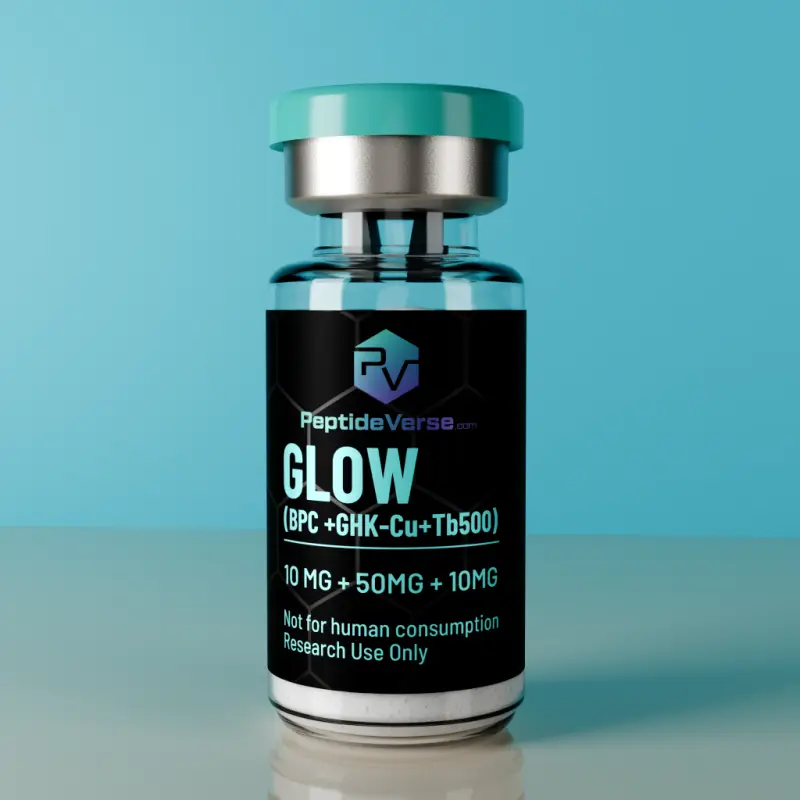 See this in the catalogue →
Two certificates land on your desk. Same layout. Same fields. Same confident percentage in the purity row.
One was produced by an independent laboratory that has never met the seller. The other was produced by the plant that synthesised the material, for the company that is selling it to you.
They are not the same document and they do not cost the same to produce. An in-house certificate is a line item in a manufacturing run. An independent one means sending samples out, paying a laboratory, and living with whatever comes back.
The second one can return a result the seller does not want. That is the entire point of it, and it is the reason most catalogues in this category do not have one.
"Third-party purity analysis for every lot we ship."
That is the line at the top of this advertiser's certificate index, and the index underneath it is public.
Open the COA library →1Grading your own homework is not a scandal, it is the default
Nobody is being unusually dishonest here. In-house testing is normal manufacturing practice and it exists for good reasons. A plant needs to know its own output.
The problem starts when that internal document is handed to a buyer as independent verification. At that moment the only party with a financial interest in the result is also the only party who measured it.
You would not accept it from a used car dealer. The category has quietly trained everyone to accept it here.
The question is never whether a certificate exists. It is who had an incentive when the number was produced.
2Page count is the tell nobody thinks to check
Here is a way to audit a certificate library without reading a single test result.
Count the pages against the components.
A single item needs its own analysis. A two component blend needs two. A four component blend needs four. If a blend of four arrives with the same two page certificate as a single item, three of those components were never separately analysed. The document is a summary sheet wearing a certificate's clothes.
One analysis per component, or the blend was never really tested. Page count exposes it in seconds.
3Run the arithmetic on the index in front of you
This advertiser publishes 15 certificates totalling 48 pages. Those two numbers are on the page. Here is what they decompose into.
Count it yourself. The index lists every certificate with its page numbers, and the ratio holds on all fifteen without exception.
That is not a marketing claim. It is a structure. Every compound in every blend got its own analysis, and the page count makes it impossible to fake without publishing pages that are not there.
Four components. Eight pages. Lot 7964352.
That certificate is public, dated 23 April 2026, and you can open it before you buy anything.
Open the COA library →4Blends are where certificates get quietly thinner
Single compounds are easy to document. Blends are where the corners get cut, because the cost of doing it properly multiplies and the buyer almost never notices.
A four component vial has four separate identity questions, four separate purity questions and four separate content questions. Twelve answers. A two page document does not contain twelve answers.
The ratio a supplier holds on their blends tells you what they do when nobody is counting.
Anyone can document a single item. Watch what happens to the page count when the vial holds four.
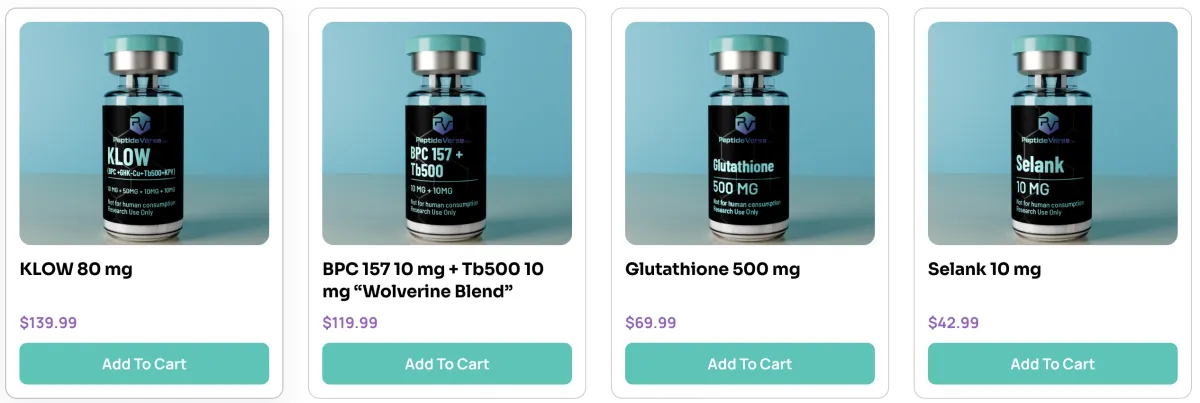 Open the full catalogue →
5Four questions that settle it
Ask these of any certificate library, including this one.
- Who signed it? A named laboratory, or the manufacturer. If the document does not say, treat it as in-house.
- Is the index public? A library you can browse before ordering is a standing commitment. A PDF on request is not.
- Does the page count match the component count? Two pages per component, every entry, or the blends were not fully analysed.
- Does every entry carry a lot number? Without one the document describes a batch, just not necessarily yours.
| Certificate library | Verse Research LLC | Typical supplier |
|---|---|---|
| Who tested it | Third-party, stated at the top of the index | Usually unstated |
| Where it lives | Public index, 15 certificates | Emailed on request |
| Blend coverage | 2 pages per component, all 15 entries | One summary sheet |
| Lot numbers | On every entry | Product level, reused |
| Searchable | By product or lot number | Not searchable |
Count the pages. Then order.
48 pages across 15 lots, two per component, published before checkout rather than after a complaint.
Browse the lab-tested range →
Comments
Counted them. Ten singles at two, two doubles at four, two triples at six, one quad at eight. Forty eight. The ratio actually holds, which I did not expect going in.
Did the same on my current supplier. Their four component blend has a two page certificate. Never once occurred to me to check.
The point about who had an incentive when the number was produced is the cleanest way I have seen this put. Saving that line.
Page count as an audit method is genuinely clever because you cannot fake it without uploading pages that are not there.
Exactly. Every other check needs you to trust a number. This one only needs you to count.
Asked two suppliers who signs their certificates. One answered with a lab name, one did not answer. That told me what I needed.